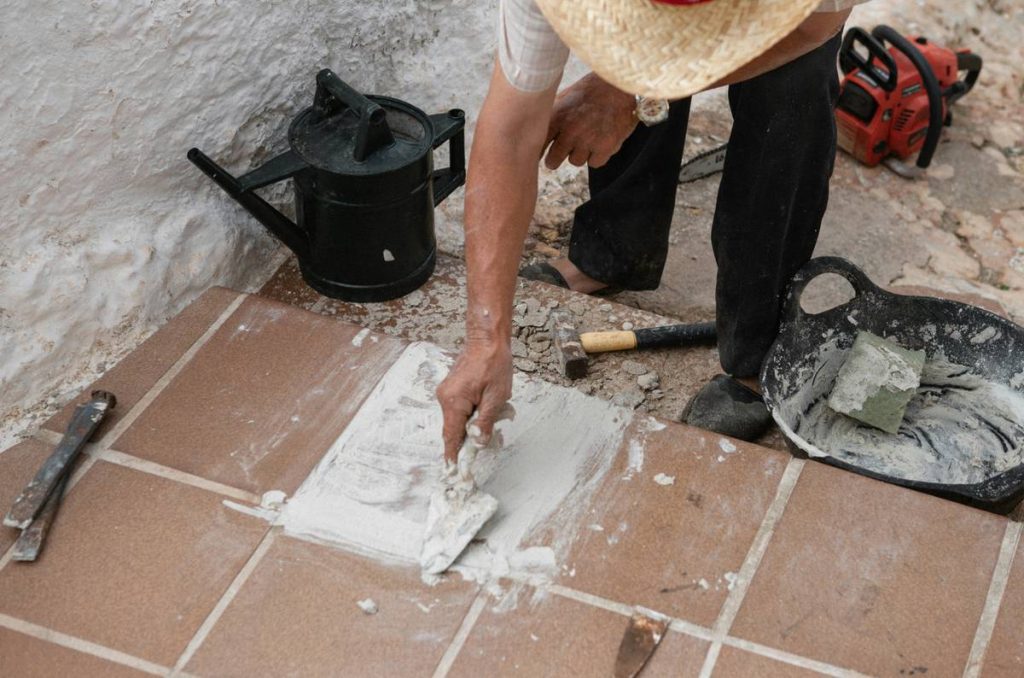
Ever stared at your cracked kitchen floor and wondered, “Why did I pick this tile?” You’re not alone. Porcelain tiles look stunning in showrooms—but real-life installs can go sideways fast if you skip the homework. In this guide, we break down the real-world home improvement porcelain tile pro con trade-offs based on years of field experience (and a few hard lessons). Whether you’re renovating a bathroom or retiling a sunroom, these seven actionable tips will help you dodge overpaying, cracking, or ending up with a slippery disaster.
Table of Contents
- Why Porcelain Tiles Divide Homeowners
- How to Choose & Install Porcelain Like a Pro
- 5 Best Practices for Long-Lasting Results
- Real Projects: Successes & Setbacks
- FAQs About Porcelain Tile Installations
Key Takeaways
- Porcelain offers unmatched durability but demands precise installation.
- Mistaking ceramic for porcelain is a common—and costly—error.
- Slip resistance varies wildly; check PEI and COF ratings before buying.
- Grout choice dramatically impacts maintenance and longevity.
- Hiring certified installers saves money long-term.
Why Porcelain Tiles Divide Homeowners
Porcelain tiles dominate home improvement showrooms for good reason: they’re dense, water-resistant, and mimic natural stone at half the price. But their reputation isn’t flawless. According to the National Tile Contractors Association (NTCA), nearly 30% of porcelain tile failures stem from improper subfloor prep—not the tile itself.
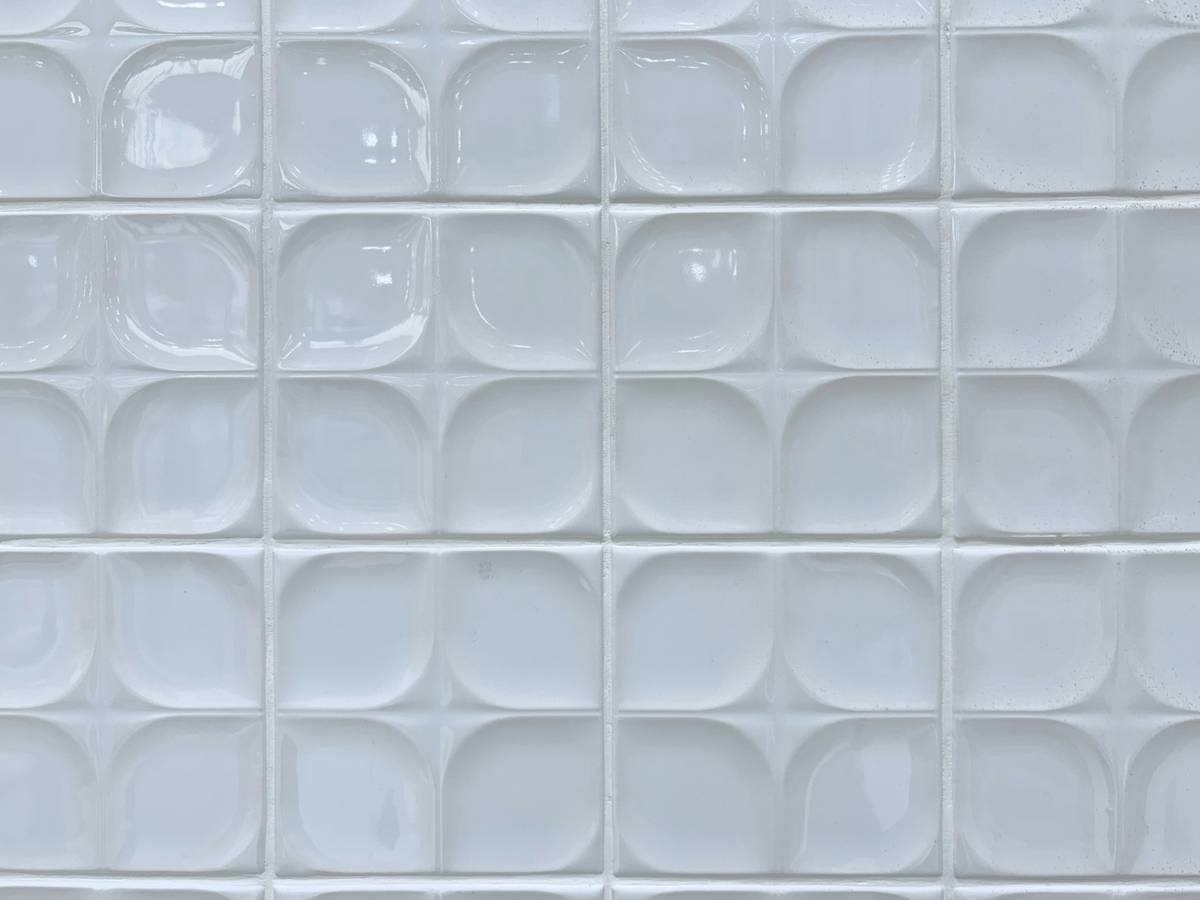
I learned this the hard way during a basement renovation. Eager to save time, I skipped moisture testing. Within six months, tiles buckled near the sump pump area. The culprit? Trapped vapor pushing upward—a classic rookie move with impervious porcelain. That’s the paradox: porcelain resists water penetration, but if installed over a damp substrate, it traps moisture underneath, causing delamination.
How to Choose & Install Porcelain Like a Pro
1. Confirm It’s Actually Porcelain
Not all “stone-look” tiles are porcelain. True porcelain must have a water absorption rate of 0.5% or less per ASTM C373 standards. Ask for the spec sheet—many big-box stores sell dense ceramics labeled as porcelain.
2. Evaluate Slip Resistance Honestly
A glossy 24×24 tile might dazzle in daylight, but becomes a skating rink when wet. Check the Coefficient of Friction (COF) rating. The Americans with Disabilities Act (ADA) recommends a dry COF of 0.6+ for commercial spaces—apply that same caution at home, especially in bathrooms or entries (U.S. Access Board).
3. Prep the Subfloor Like Your Warranty Depends on It
It does. Use a deflection calculator to ensure your joists meet L/360 standards. Then apply a crack-isolation membrane if tiling over concrete. Trust me—this $1.50/sq.ft. step prevents $5,000 tear-outs later.
5 Best Practices for Long-Lasting Results
- Use modified thin-set mortar: Unmodified won’t bond properly to porcelain’s low porosity.
- Choose rectified edges: They allow tighter grout lines (1/8” vs. 3/16”), giving a seamless look.
- Avoid “terrible tip” #1: Never install porcelain directly over vinyl without removing it first—it creates uneven adhesion.
- Seal grout, not tile: Porcelain doesn’t need sealing, but cementitious grout does.
- Dry-lay first: Arrange tiles without mortar to spot dye lot variations or layout flaws.
Real Projects: Successes & Setbacks
Last year, we installed matte-finish porcelain in a Chicago condo bathroom using proper waterproofing and epoxy grout. Two winters in, zero issues—even with frequent steam showers. Contrast that with a DIY job we inspected in Milwaukee: glossy porcelain over plywood with no moisture barrier. Result? Hollow spots, cracked grout, and mold underneath—all within 10 months.
Data backs this up: a 2023 study by Floor Covering Weekly found professionally installed porcelain floors last 20–25 years on average, while 42% of DIY attempts required major repairs before year five. Precision matters more than price here.
FAQs About Porcelain Tile Installations
Are porcelain tiles colder than hardwood?
Yes—they conduct heat faster, so they feel cooler underfoot. Pair with radiant heating for comfort.
Can you use porcelain on shower walls?
Absolutely, but verify the tile’s frost resistance (even indoors!) and use waterproof backer board like cement board.
Do porcelain tiles chip easily?
High-quality porcelain has excellent impact resistance (PEI Rating 4–5), but dropping a cast-iron pan can still cause damage.
Is home improvement porcelain tile pro con worth the hassle?
For high-traffic or wet areas, yes—the durability outweighs setup complexity if installed correctly.
How much does professional installation cost?
Nationally, $6–$12/sq.ft., excluding materials. Compare quotes via our Contact Us page—we vet local pros.
Where can I learn about your team’s experience?
Read our story on the About Us page. We’ve laid over 200,000 sq.ft. of porcelain since 2011.
Porcelain tile isn’t magic—it’s math, material science, and meticulous prep wrapped in pretty packaging. Get it right, and you’ll enjoy decades of beauty; cut corners, and you’ll pay twice. Ready to avoid my basement blunder? Reach out today for a consultation. And remember: smooth surfaces don’t guarantee smooth sailing—sometimes the best floors start with sweating the small stuff.