If your home gym echoes with every squat and your knees ache after a 20-minute HIIT session, your flooring might be the silent saboteur. Choosing the right surface isn’t just about aesthetics—it’s about performance, joint protection, and long-term durability. In this guide, we’ll explore why porcelain tiles are a surprisingly smart pick for high-impact spaces, how to install them correctly, and the one rookie error that nearly ruined my own basement workout zone.
Table of Contents
- Why Your Exercise Room Flooring Choice Is Critical
- Step-by-Step Guide to Installing Porcelain Tiles in Your Gym
- 5 Best Practices for Long-Lasting Exercise Room Floor Tiles
- Real-World Results: Porcelain Tiles in Action
- Frequently Asked Questions
Key Takeaways
- Porcelain tiles offer exceptional durability, moisture resistance, and low maintenance—ideal for high-sweat environments.
- A proper underlayment is non-negotiable; skipping it risks cracked tiles and joint pain.
- Use anti-fatigue mats over tiles for high-impact zones like weight racks or plyo boxes.
- Maintain slip resistance by choosing textured or matte-finish porcelain rated for wet areas.
- Always consult professionals—like those at our team—for complex layouts or substrate prep.
Why Your Exercise Room Flooring Choice Is Critical
Most homeowners assume rubber rolls or interlocking foam are the only options for exercise rooms. But what if you want something cleaner, cooler in summer, and easier to sanitize? That’s where exercise room floor tiles made from porcelain shine. Unlike vinyl or carpet, porcelain won’t trap odors, harbor mold, or degrade under UV light from windows.
I learned this the hard way. After laying standard ceramic tiles (not porcelain!) over an uneven concrete slab in my garage gym, two tiles cracked within three months—right under my treadmill. The mistake? Skipping the self-leveling underlayment and assuming “tile is tile.” Porcelain’s dense composition (less than 0.5% water absorption per ASTM standards) makes it far more impact-resistant than regular ceramic, especially when installed correctly.
According to the Tile Council of North America (TCNA), porcelain tiles rated PEI IV or V are suitable for heavy residential and commercial foot traffic—perfect for dynamic movements like burpees or kettlebell swings.
Step-by-Step Guide to Installing Porcelain Tiles in Your Gym
Assess Your Subfloor
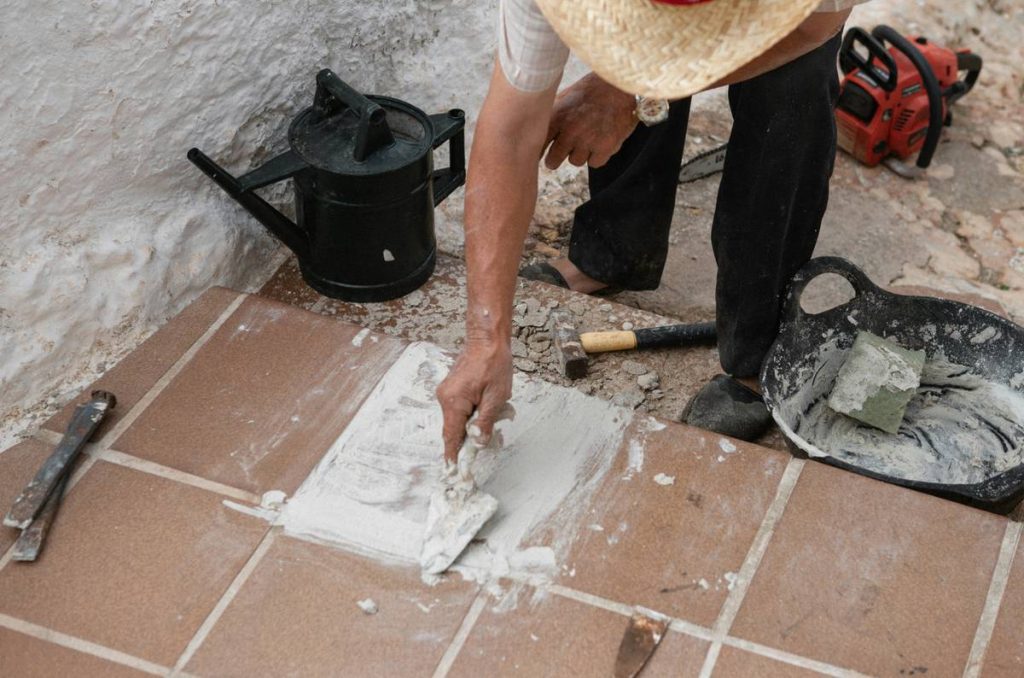
Concrete? Good. Wood? You’ll need a cement backer board (like HardieBacker) to prevent flex that cracks grout lines. Moisture testing is essential—even minor vapor emissions can compromise adhesion. Use a calcium chloride test kit (available at hardware stores) or consult a pro.
Choose the Right Tile
Opt for large-format (24×24” or larger), rectified porcelain with a matte or lightly textured finish. High-gloss looks slick but becomes dangerously slippery when wet. Look for COF (coefficient of friction) ratings above 0.60 for wet areas—this info is often on manufacturer spec sheets.
Install with Proper Underlayment
Never tile directly over cracked or sloped substrates. Apply a crack-isolation membrane (like Laticrete Stratamat) if there’s any movement risk. Then use a polymer-modified thinset mortar—not standard mastic—to bond the tiles.
Add Functional Zones
Once tiles are set and grouted (use epoxy grout for zero porosity), place interlocking rubber tiles or foam mats only where needed: under free weights, cardio machines, or stretching zones. This hybrid approach combines porcelain’s hygiene with cushioning where it counts.
5 Best Practices for Long-Lasting Exercise Room Floor Tiles
- Routinely clean with pH-neutral cleaners. Avoid vinegar—it etches grout over time.
- Reseal epoxy grout annually if not using pre-sealed products.
- Use furniture pads under equipment legs to prevent micro-scratches.
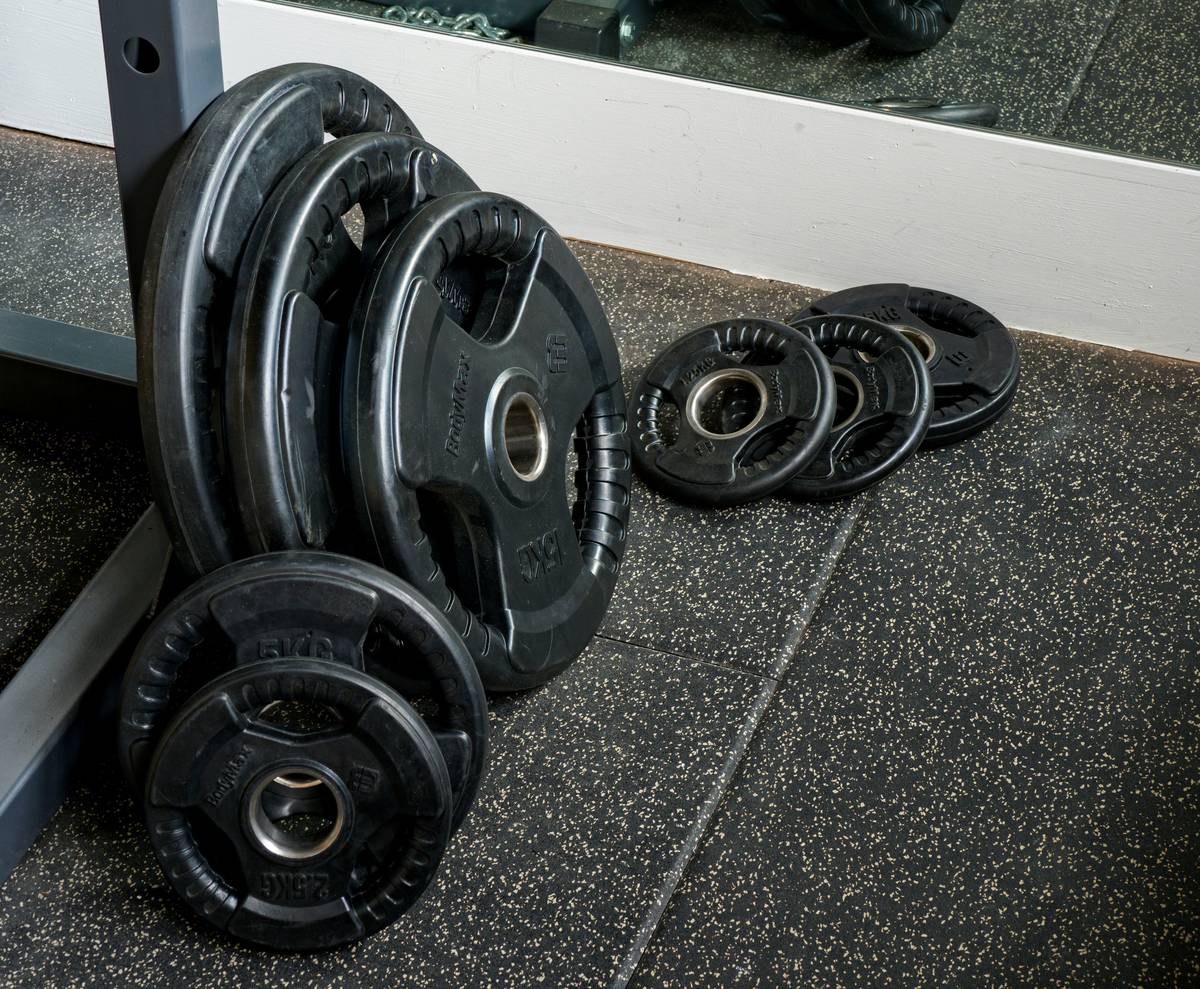
- Avoid drop impacts. Never slam dumbbells directly onto porcelain—always use protective mats.
- Test slip resistance seasonally. Humidity changes can affect traction.
And here’s a “terrible tip” to avoid: “Just glue tiles over old vinyl!” Nope. That’s a shortcut to delamination city. Always remove existing resilient flooring unless it’s firmly bonded and approved as a substrate per TCNA Handbook guidelines.
Real-World Results: Porcelain Tiles in Action
A client in Phoenix converted her sun-drenched bonus room into a CrossFit-inspired gym. We installed 36×36” matte charcoal porcelain tiles with a linear drainage channel near the door (for post-workout towel wringing). After 18 months of daily use—jump ropes, sled pushes, even occasional dropped bumper plates—the floor showed zero wear beyond minor scuffing on rubber mats. Surface temperature stayed 12°F cooler than adjacent carpeted areas during peak summer, per her smart thermostat logs.
For authoritative guidance on subfloor prep and tile selection, refer to the TCNA Handbook for Ceramic, Glass, and Stone Tile Installation, updated annually with industry best practices.
Frequently Asked Questions
Are porcelain tiles too hard for exercise rooms?
Not if you pair them with targeted cushioning. Porcelain itself is rigid, but placing anti-fatigue mats in high-impact zones protects joints while preserving easy cleanup elsewhere.
Can I install exercise room floor tiles myself?
Only if you’re experienced with tile layout, leveling, and grouting. Misaligned tiles create trip hazards. For complex spaces, consult professionals like those at Biletskyy LLC Tile.
Do porcelain tiles get slippery when sweaty?
Matte or textured finishes with COF >0.60 stay grippy even when damp. Avoid polished surfaces in workout areas.
How do I maintain my exercise room floor tiles?
Sweep daily, mop weekly with pH-neutral cleaner, and inspect grout lines quarterly. Full care details are outlined in our Privacy Policy-compliant maintenance guides.
Are these tiles eco-friendly?
Porcelain is made from natural clay and fired at high temps, making it inert and recyclable. Many U.S. manufacturers also use recycled content—check certifications like ANSI A138.1.
What’s the cost vs. rubber flooring?
Premium porcelain runs $5–$9/sq.ft. installed, comparable to commercial-grade rubber. But porcelain lasts decades longer with no odor retention or UV fading.
Your gym floor shouldn’t punish your progress—it should empower it. With smart material choices and proper prep, exercise room floor tiles deliver resilience, hygiene, and sleek style that outlasts trends. Ready to build a space that performs as hard as you do? Contact us today for a consultation tailored to your space and sweat goals.